Call Us

The building behind the Altmark.

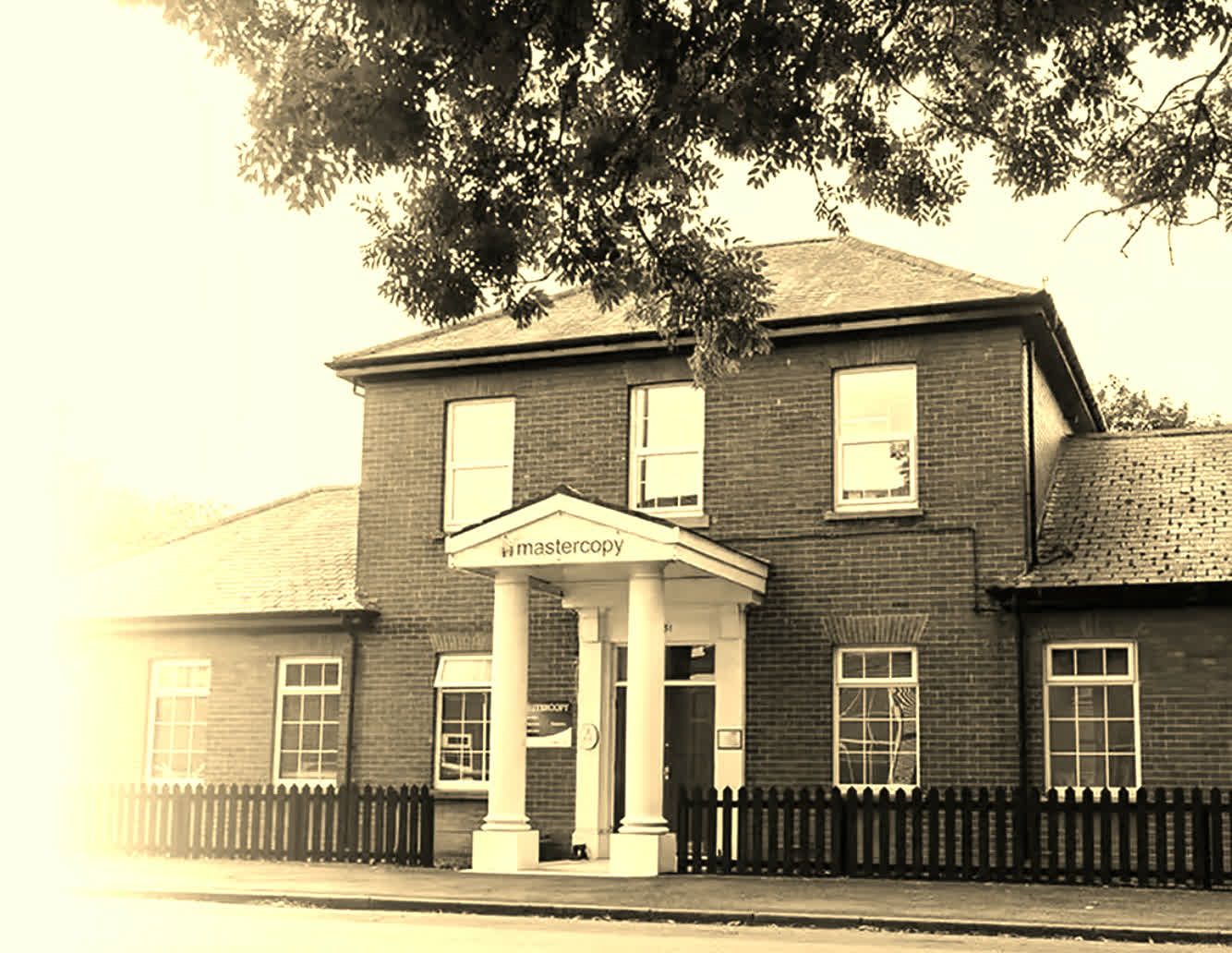
Mastercopy is a Teesside family firm. We work from the surviving Station Headquarters of RAF Thornaby — the building where the orders for the Altmark flight were signed on 16 February 1940.

Watch the film · 6 min Read the story
Doc · Randol House · 5:57 Cold Light · 2026

A timeline of this place.

17.03.1930
608 Sqn formed
01.06.1937
Station HQ designated
01.11.1939
King George VI inspects
16.02.1940
The Altmark located
01.10.1958
Last aircraft leaves

Flying began here in 1912.

A farmer rented out a field for an airshow. The headline act was Gustav Hamel — one of Britain's earliest aviators. The Royal Flying Corps used the same fields throughout the First World War.

In 1920 the Air Ministry bought the land. RAF Thornaby officially opened on 29 September 1929 — the second permanent airfield in Yorkshire. Its first squadron — 608 (North Riding) — was formed here on 17 March 1930.

"100 gold sovereigns to use the field for the afternoon."

Recorded payment · Matthew Young · Vale Farm · 1912

1912
Vale Farm
1914–18
RFC
1920
Air Ministry
29.09.1929
RAF Thornaby
17.03.1930
608 Sqn
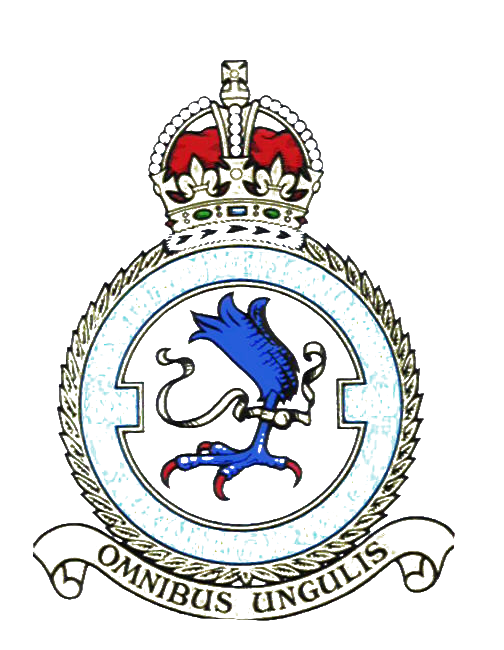
608 (North Riding) Squadron Royal Auxiliary Air Force colour badge

"Omnibus Ungulis."

With all claws · Motto of 608 Sqn · Formed Thornaby · 17.03.1930

Randol House today — the surviving Station Headquarters of RAF Thornaby
Randol House · Martinet Road Station HQ · 1937–1958

The building was constructed in 1931.

From the start, it housed the station's administration. On 1 June 1937, Thornaby was promoted to full RAF station status — and this building was formally designated the Station Headquarters.

The first Station Commander was Wing Commander John Leacroft — a First World War fighter ace with twenty-two aerial victories. The Chief Flying Instructor was Squadron Leader David Greig, a pilot who had flown in the 1929 Schneider Trophy race — the British seaplane competition whose research fed directly into the Spitfire.

Ten days before war was declared.

In March 1939, 608 Squadron transferred to Coastal Command. Five months later — ten days before war was declared — they were embodied for full-time service. Thornaby was one of only ten British airfields with paved runways.

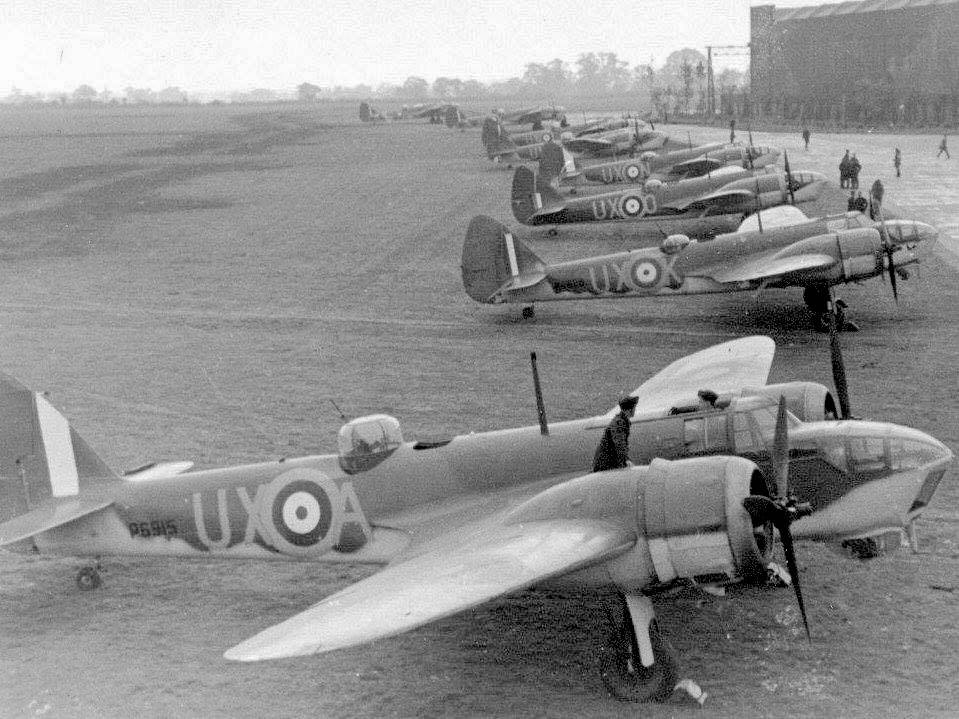
220 Sqn Lockheed Hudsons at Thornaby dispersal

220 Sqn · UX·A · P6915

Lockheed Hudsons at Thornaby

220 Squadron arrived from Norfolk in August 1939 with Avro Ansons. They soon converted to American-built Hudsons.

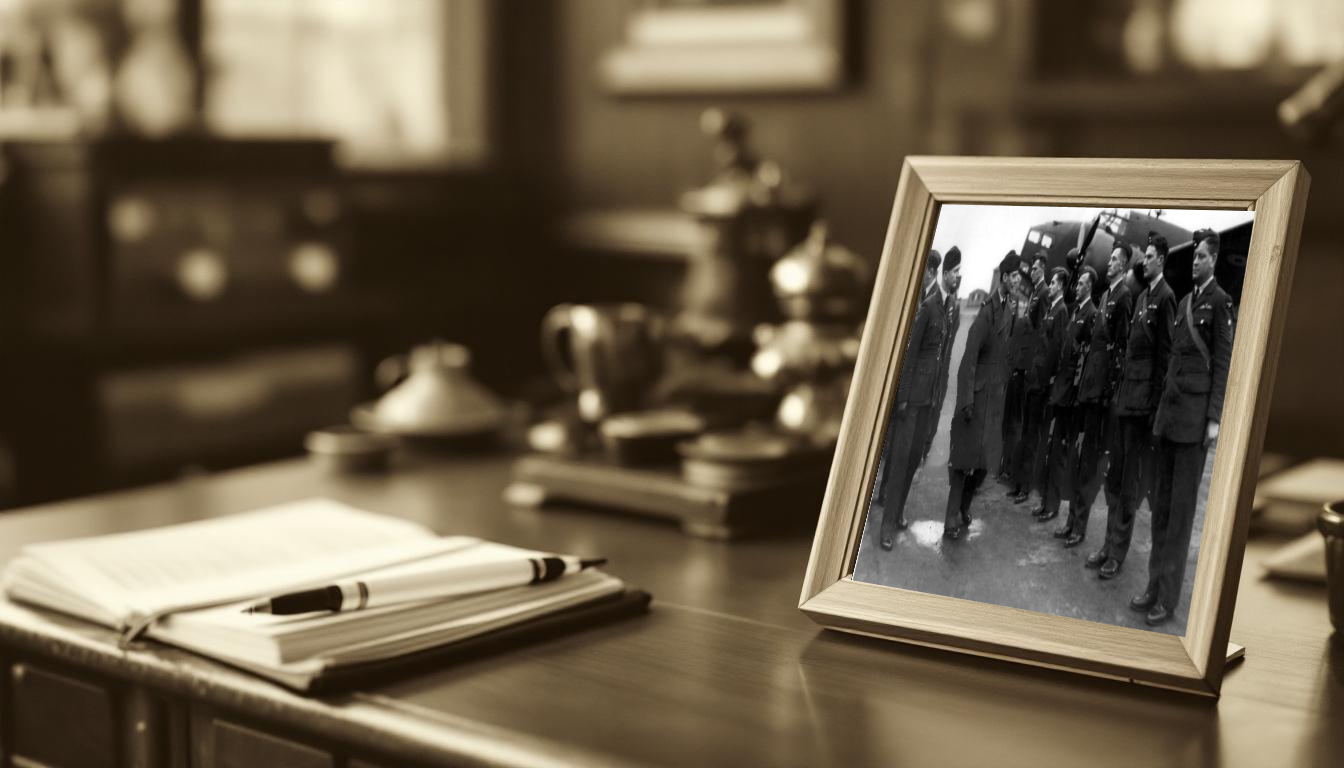
The signed Royal-visit photo framed on the Station Commander's desk

01.11.1939 · Royal visit

Framed on the Commander's desk

King George VI inspected the station, accompanied by the Chief of the Air Staff. The signed photo was framed and kept on the Station Commander's desk for the rest of the war.

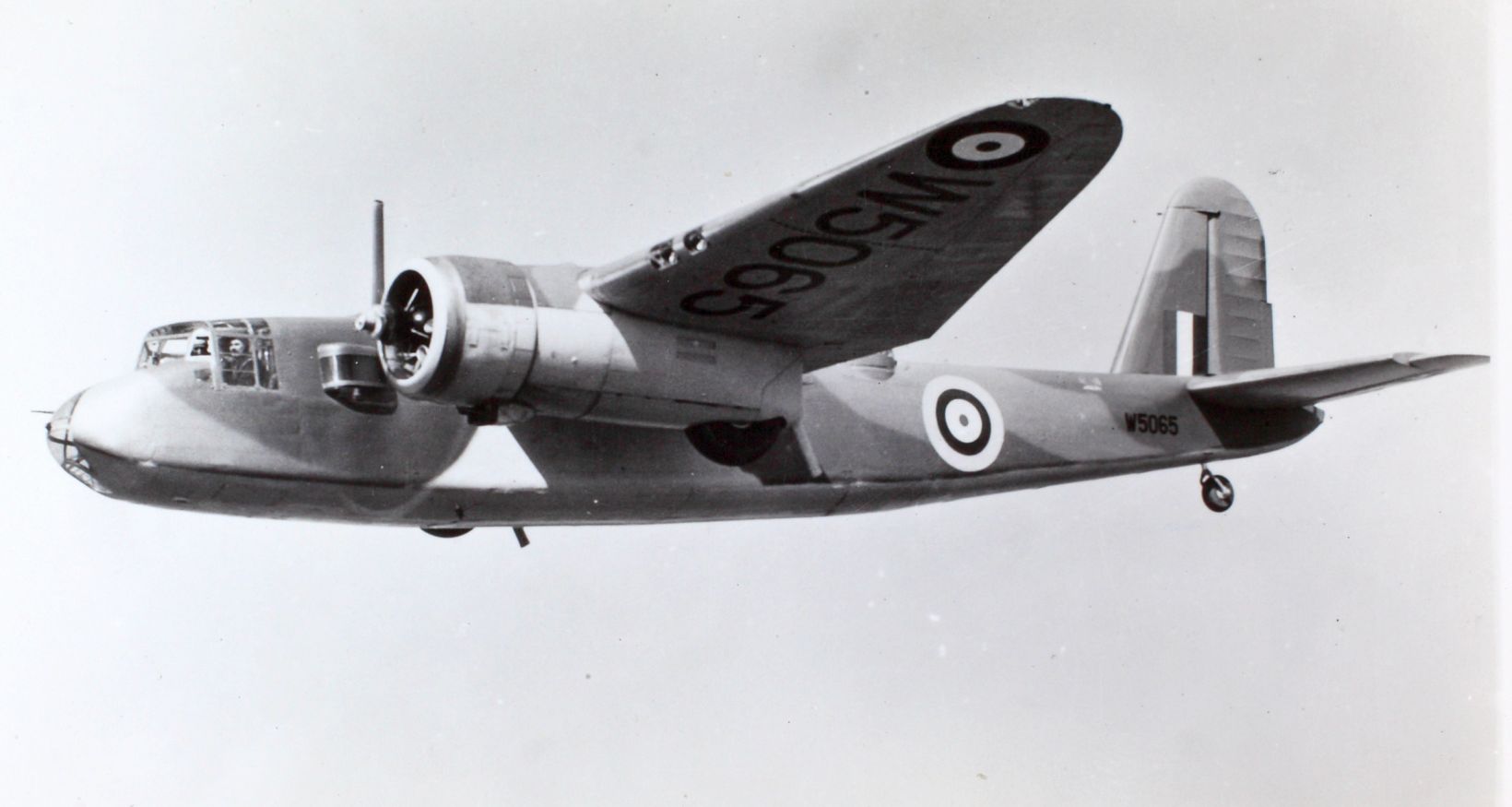
Blackburn Botha W5065 — a torpedo bomber withdrawn within months

11.1940 · 608 Sqn's stranger fate

The Blackburn Botha

A torpedo bomber so poor the type was withdrawn within months. Thornaby was the only Coastal Command station to operate it.

16 February 1940. The orders signed in this building.

The Admiral Graf Spee had been scuttled off Montevideo. Her supply ship, the Altmark, was making her way back to Germany — with 299 British merchant sailors held below decks. The Royal Navy had been searching for her for weeks.

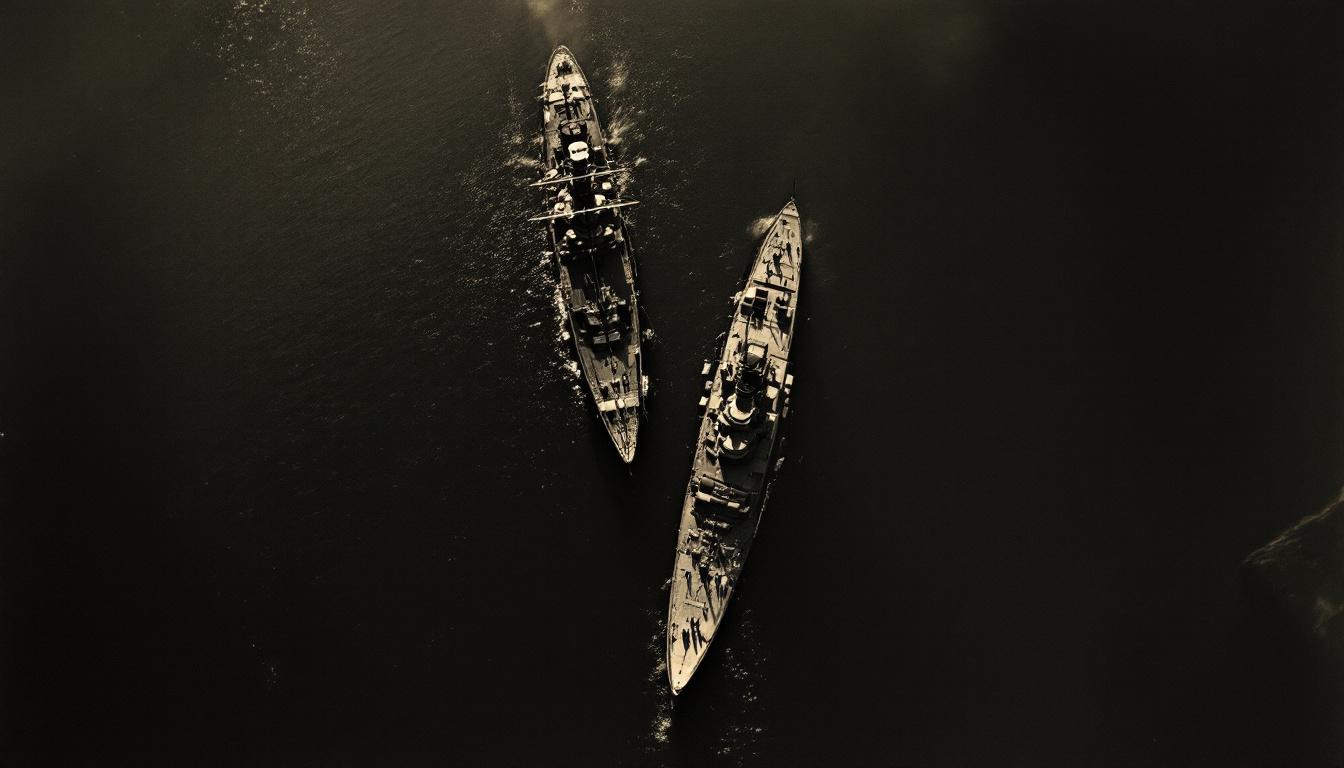
HMS Cossack alongside Altmark in a narrow Norwegian fjord, night
Jøssingfjord · 16–17.02.1940 HMS Cossack + Altmark
299

British merchant sailors freed from below decks of the Altmark, in Jøssingfjord, on the night of 16 February 1940. A hand-to-hand fight in the dark of a Norwegian fjord.

On the morning of 16 February, three Lockheed Hudsons of 220 Squadron took off from Thornaby at 08:25. At 12:55 that afternoon, one of them located the Altmark hiding in Norwegian waters. HMS Cossack boarded her that night.

"The orders for that flight were signed in this building."

Randol House · Surviving Station Headquarters · RAF Thornaby

Built on the station, from parts already to hand.

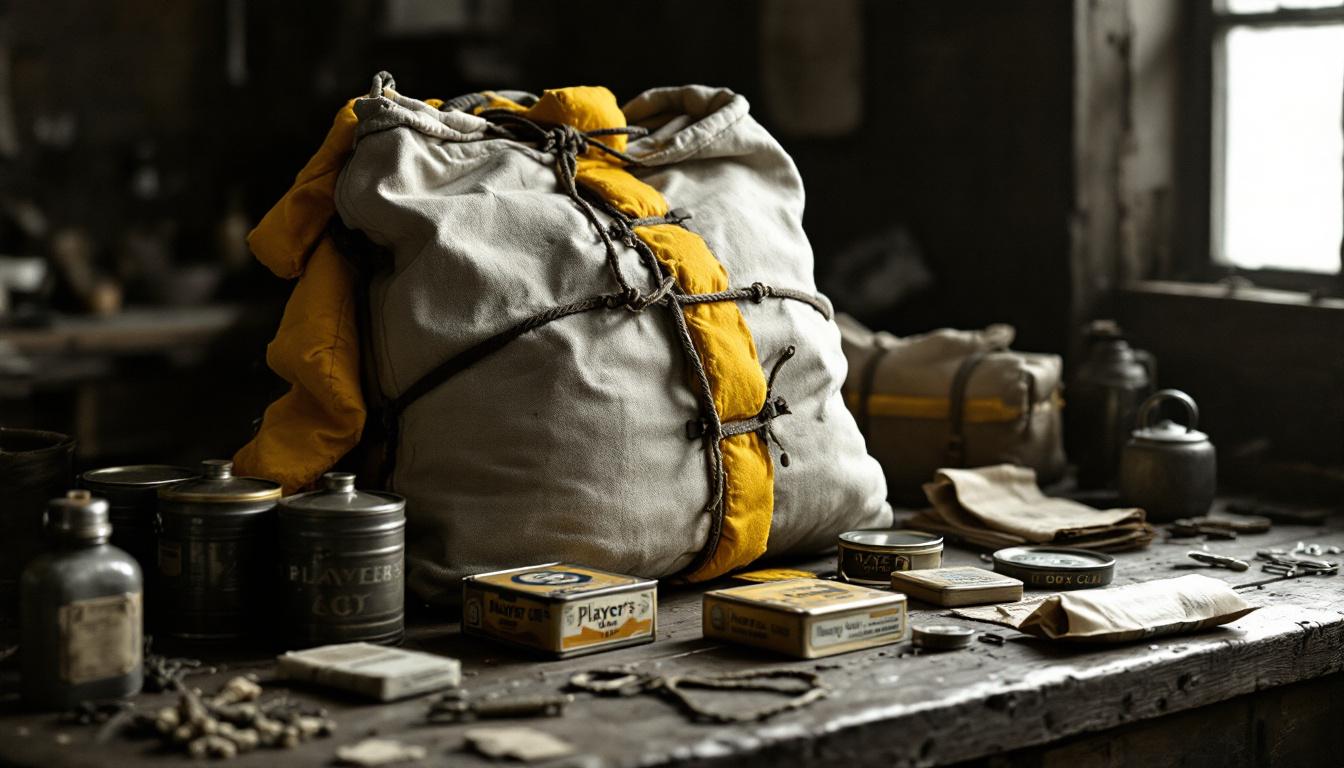
From 1943, Thornaby ran air-sea rescue with Vickers Warwicks — squadrons 279, 280, and 281. Aircrew built their own survival drop from parts they already had on the station.

  • A strengthened parachute fabric bag
  • Kapok pads from a Mae West life jacket — for flotation
  • Watertight tins: food, drink, cigarettes, first aid

The bag was never a great success. Liable to burst on impact. Difficult to spot once in the sea. But better than no aids at all — and some successes were achieved.

The Thornaby Bag — strengthened parachute fabric, kapok pads from Mae West life jackets, watertight tins
Field-manufactured · 1943 279 · 280 · 281 Sqn
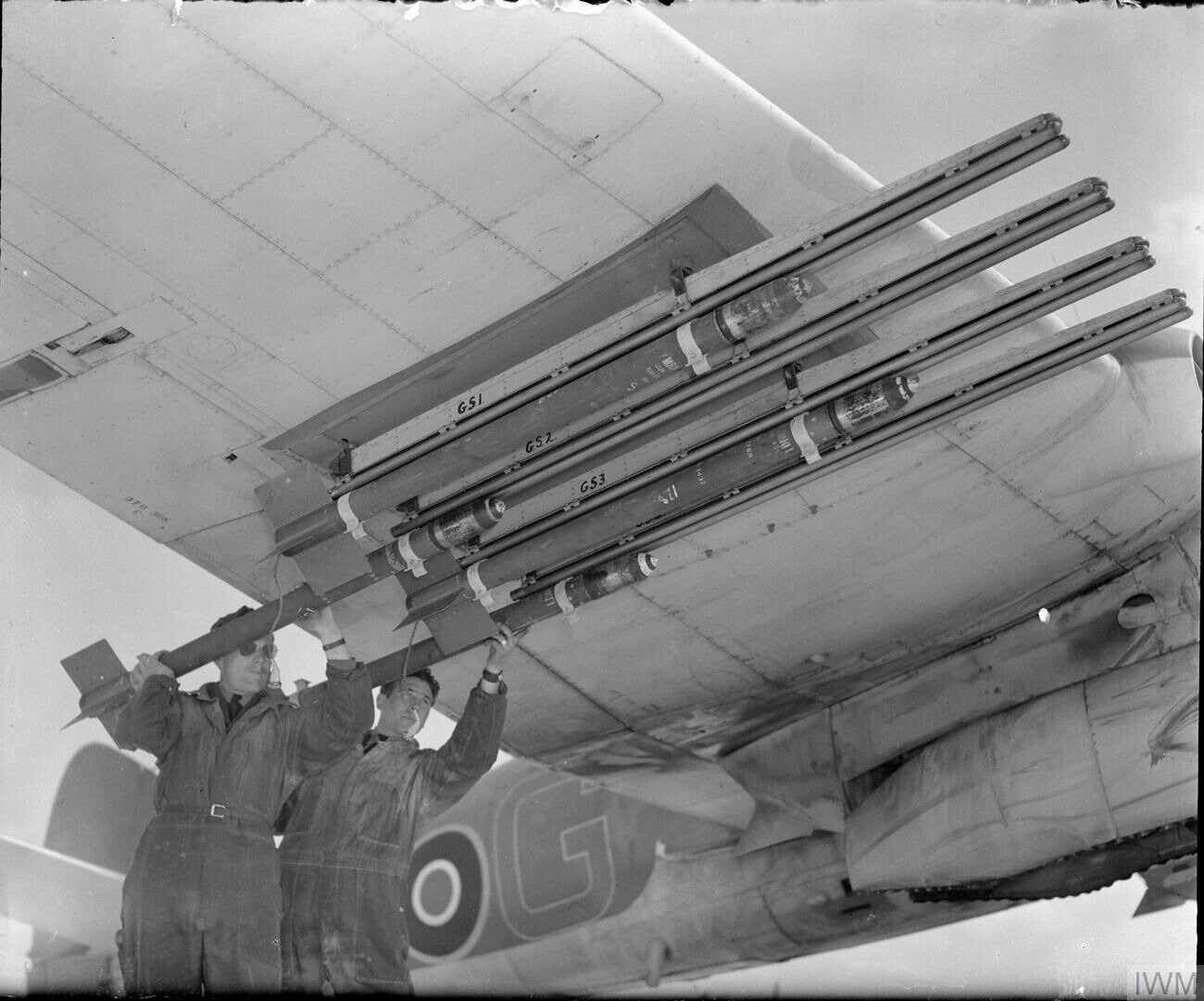
Bristol Beaufighter TF.X being loaded with RP-3 rockets
Beaufighter TF.X · RP-3 rockets IWM · CH13179

03.05.1945

Three days before VE Day.

The last bombs from Thornaby fell on Kiel Harbour. Three days before VE Day. Dropped by Beaufighters of 455 Squadron, Royal Australian Air Force.

After the war, the station kept working.

1946
608 reforms
Mosquitos
1948
Spitfires & Harvards
Spitfire F22
1949
Jet age
DH Vampires
Summer 1957
100,000 spectators
At Home Day
01.10.1958
Last aircraft
Hawker Hunters · 92 Sqn

Final Station Diary entry · 13.10.1958

"Station reduced to Care and Maintenance."

— Flight Lieutenant H.J. Grant, Camp Commandant, RAF Thornaby

The land was sold to the council in 1962. Through the 1960s and 70s, the airfield was built over. The street names carry the memory — Bader, Trenchard, Havilland, Mitchell, Tedder, Martinet.

The Station Headquarters is still here.

The hangars came down in the early 2000s. The Officers' Mess was demolished in the 1960s. But this building survived. Mastercopy works from it today — at Martinet Road, Thornaby, on what was once 220 Squadron's dispersal.

A Teesside family firm, in the building behind the Altmark.

Watch the film More about Mastercopy
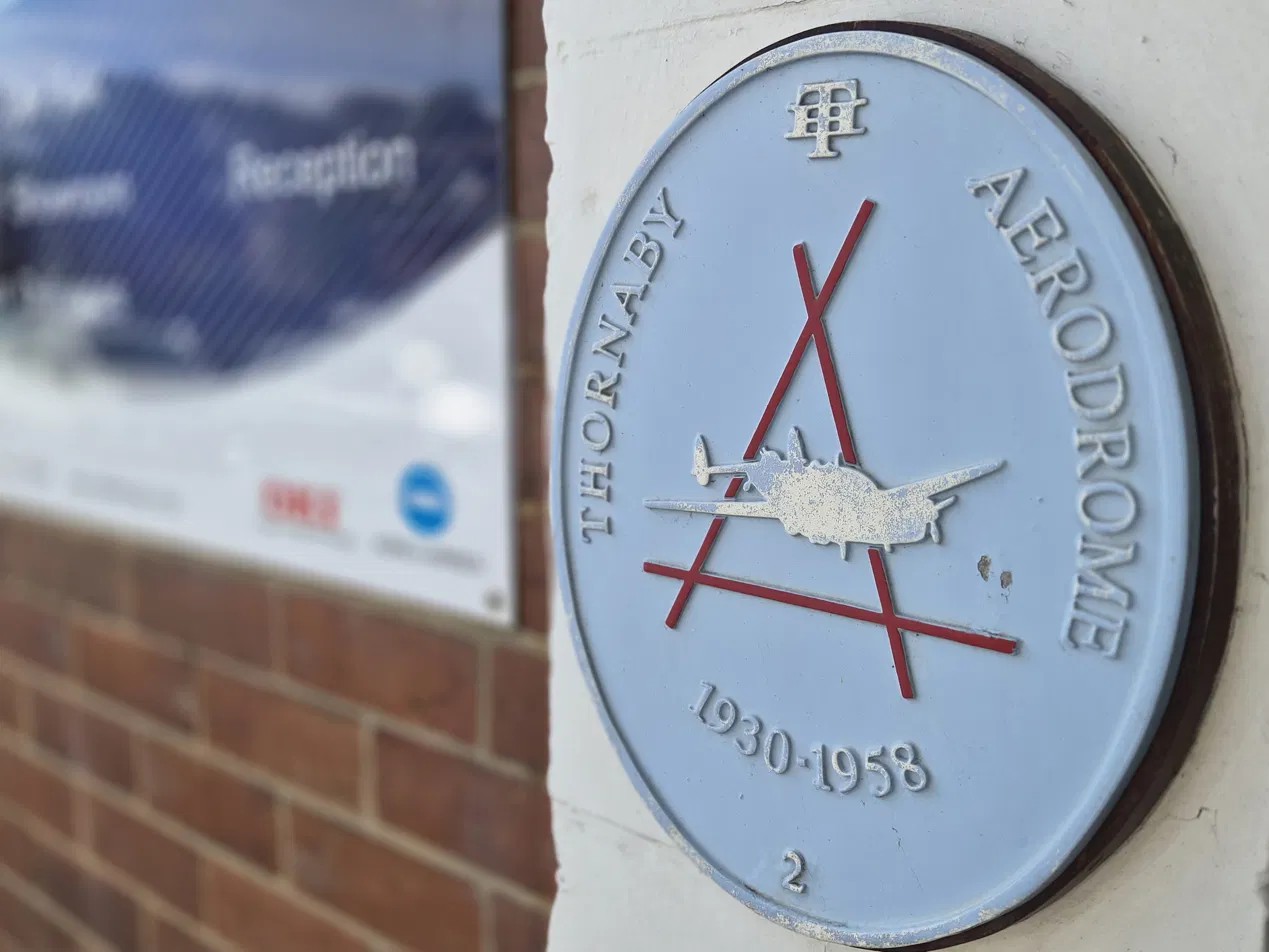
Thornaby Aerodrome heritage plaque on the wall of the building today
Heritage trail · Plaque 02 On the building today

Sources: Imperial War Museum · RAF Form 540 Operations Record Books · Picture Stockton · Stockton Heritage Council · British Pathé Gazette · Wikimedia Commons. Boarding-action and Thornaby Bag stills generated for documentary illustration where archival photography was unavailable.